
How to Spot Pavers That Need Repair in Jacksonville, FL: 7 Warning Signs
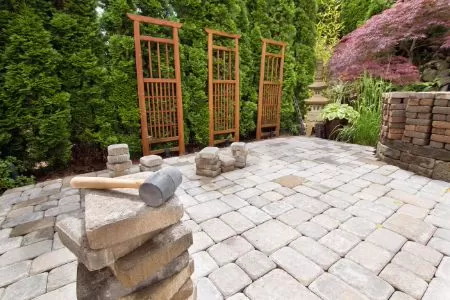
Pavers should feel solid, safe, and look clean. When they don’t, it is time to talk about paver repair. In Jacksonville, FL, summer downpours, sandy soils, and heavy driveway traffic can shift even a well‑built surface. If any of the signs below look familiar, schedule professional paver repair with PaverGuard so small issues do not become big ones. You can also call us at 904-802-4779 for fast help.
Why Jacksonville Pavers Fail Sooner Than You Expect
Our climate is tough on hardscapes. Afternoon storms can wash out joint sand, coastal breezes bring salt that dries on the surface, and shade keeps areas damp after rain. In neighborhoods like San Marco, Riverside, Mandarin, and the Beaches, we see patterns repeat each season. A little settling shows up after heavy rain. Pool decks develop loose joints from splash‑out. Driveways in full sun fade faster and show more edge creep. Knowing what to watch for helps you act before damage spreads.
7 Warning Signs Your Pavers Need Repair
1) Sunken or Heaving Areas
If a walkway or driveway dips near the middle or rises along the edge, the base underneath may have washed out or swelled. You may notice shallow puddles after storms in places that used to drain well, especially along driveway aprons in Bartram Park or Julington Creek. Sunken sections can telegraph bigger problems below the surface. Do not ignore new low spots right after a heavy rain because they often grow with each storm.
2) Trip Hazards and Uneven Edges
Any lip you can catch a shoe on is a safety risk. These high‑low edges show up after traffic pounds a weak joint or where roots push from below. They are common along pool deck perimeters and at transitions to concrete. If you see an edge you would warn a guest about, it is a repair‑level issue.
3) Separating Joints and Missing Sand
Gaps between pavers are more than a cosmetic problem. Joint sand supports the entire system by locking units together. When sand washes out, pavers start to rock and spread. You will see lines that look wider than normal or notice ants and weeds using the gap. For a deeper look at how joint stability protects your surface, check out this related read on paver sanding 101.
4) Border Creep and Edge Restraint Failure
Edges hold everything in place. When the border slides outward or the soldier course no longer looks straight, the edge restraint has likely failed. This often starts on curved driveways or along planting beds where irrigation keeps the soil soft. Left alone, border movement works inward until the main field shifts, too.
5) Pooling Water or New Drainage Paths
Watch what water does during a summer storm. If you see water sitting on pavers longer than it used to, or you notice channels forming alongside the patio, the base is probably uneven now. Standing water invites algae and grime, which makes surfaces slippery and dull. Treat persistent puddles as a sign something has changed under the surface.
6) Rocking, Loose, or Chipped Pavers
Step on a paver that moves and you will feel it. Rocking underfoot means the base or the joint has lost support. Loose pieces chip sooner at the edges from normal use, then the damage accelerates. On driveways, hot tires and tight turns make the problem spread quickly.
7) White Haze, Stains, or Fast Fading After Storm Season
After big summer rains, you might notice a chalky film, patchy color, or stains that clean slower than last year. That can hint at moisture getting trapped or protection wearing thin. When sealing and joint integrity slip, grime sticks faster and the surface weathers unevenly. Pair needed repairs with fresh protection so the fix lasts.
Local insight: In Jacksonville’s rainy season, small dips can turn into ankle‑twisters fast. If you spot new puddles or a lip you would warn kids about, call PaverGuard before more storms arrive.
Paver Repair in Jacksonville, FL: What Happens If You Wait
Minor problems rarely stay minor. A sunken brick collects water, the joint washes out, then nearby pavers begin to slide. Pool deck gaps invite weeds and ants that undermine the base. Driveway lips crack under turning tires. Before long, the repair area is larger and the surface looks pieced together. Early repairs protect curb appeal and keep the base healthy, which saves time and stress.
Where Problems Show Up First Around Town
- Driveway aprons and edges that see hot tires and heavy turns
- Pool deck borders near coping where splash‑out is constant
- Walkways under oaks in Riverside and Avondale that stay damp
- Patios with shade in Mandarin where algae and leaf litter linger
How To Read The Signs In One Minute
Walk your surface after a rain or during evening light when shadows reveal unevenness. Use a broom or shoe to test for movement. Listen for a hollow sound that was not there before. Look for gaps, wobbly pieces, or a border that no longer runs straight. If two or more of these show up, it is smart to schedule an assessment.
Repair Plus Protection Works Best In Jacksonville
In Northeast Florida, repairs last longer when they are followed by cleaning, resanding, and sealing in the right sequence. Fresh joint sand locks the system. Quality sealer helps resist UV, stains, and future washout. If your pavers look dull or collect grime faster than they used to, plan on wrapping your repair with professional paver sealing once the surface is restored.
Real‑World Examples We See Across Jacksonville
Driveways in Southside and Arlington that face full sun tend to show border movement and fading first. Older patios in San Marco with tree shade develop slick spots and sinking along the edges. Pool decks in Jacksonville Beach and Neptune Beach see joint washout from saltwater systems and daily splash‑out. The patterns may differ, but the fix always starts with a good inspection and a focused repair plan.
When To Call PaverGuard
- You feel a paver rock underfoot or see a new puddle that sticks around
- The border looks wavy or a line of pavers has drifted out of place
- Weeds, ants, or missing sand are showing in several areas
- Color has dulled and stains do not clean like they used to
If you are comparing options for paver repair in Jacksonville, FL, PaverGuard makes it simple. Our team checks the base, joints, and drainage, then explains what failed and how we will fix it. No guesswork. Just clear steps that bring your space back to safe and beautiful.
What You Can Expect From a Professional Visit
First, we listen to what you have noticed and where. Then we assess the surface, the joints, the edge restraint, and how water moves across the area. You get a plain‑English plan that targets the cause, not just the symptom. If the surface is due for protection after the repair, we will recommend timing that fits Jacksonville’s weather patterns so the results hold up through the season.
Want to plan your next maintenance step after the fix? Read our quick guide on how often you should seal pavers in our climate.
Ready To Make Your Pavers Safe And Beautiful Again?
Spotting one or two issues early can save you from a full restoration later. If the signs above sound familiar, reach out to PaverGuard for expert help. Call 904-802-4779 or schedule paver repair online today. We work across Jacksonville, from Ortega to Nocatee, and we take pride in clean lines, tight joints, and surfaces that drain the way they should.
If your patio or driveway needs more than a quick touch‑up, our team will explain the sequence that gets the best result in Northeast Florida. When your project is a fit, we will handle the repair and follow‑up protection so everything looks sharp and feels solid. Book your visit and let our specialists bring your pavers back to life with dependable paver repair.