
Paver Sanding 101: Why Joint Sand Matters for Stability and Weeds
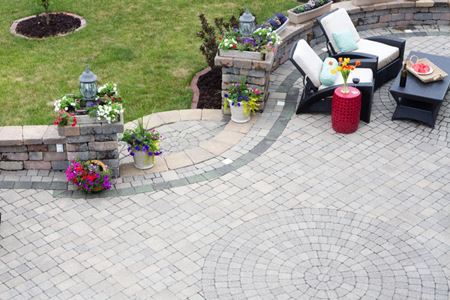
If you want smooth, safe, and great-looking hardscapes, paver sanding in Jacksonville, FL is the quiet hero holding everything together. The right joint sand keeps each brick or stone locked as a unit, cuts down on weeds, and helps water drain where it should. When your patio, driveway, or pool deck starts to feel loose or look patchy, a professional paver sanding service can restore stability and protect your investment around your home in San Marco, Riverside, Avondale, Mandarin, and the Jacksonville Beaches.
What Joint Sand Does For Your Pavers
Think of joint sand as the grout that lets pavers move a little but not a lot. It fills the narrow spaces so each unit shares the load instead of shifting on its own. That helps stop rocking, edge creep, and early cracking of the bedding layer below.
Joint sand also acts like a tiny filter. It slows soil movement up and water down, guiding rain through the system instead of letting it pool on top. With the right profile, it blocks sunlight from reaching the gaps, which helps with preventing weeds between pavers. Ants have a harder time tunneling too, so you see fewer cones and soft spots after storms.
Jacksonville Weather And Why Re-Sanding Matters
Our coastal climate brings heat, salt air, and heavy summer rain. Afternoon downpours and tropical systems can flush joint sand out of driveways and pool decks, especially in areas like Jacksonville Beach, Neptune Beach, and Atlantic Beach. Shade and leaf litter in neighborhoods like Mandarin and Ortega add organic material that breaks down sand faster.
Hurricane-season downpours can strip joint sand fast, leaving gaps that invite movement and weed growth. When joints sink even a little, vehicles and foot traffic pound the edges, which spreads the pavers and creates trip points. Re-sanding resets those joints so the surface handles weather swings better through the year.
- Frequent rinsing from irrigation and pool splash-out accelerates washout.
- Underdrain issues or clogged bedding hold water, softening the base.
- Fine beach sand blowing in can contaminate joints and weaken them.
- Oak leaves and pollen in Riverside and Avondale feed algae in damp joints.
Polymeric Sand Vs. Standard Joint Sand
Standard joint sand compacts well and drains, but it can wash out sooner in high-rain zones. Polymeric sand is engineered with binders that activate during installation, creating a tighter, tougher bond between pavers once cured. That bond helps with locking pavers in place during storm season and day-to-day use, and it reduces weed germination by limiting light and movement in the joints.
For many Jacksonville properties, polymeric sand for pavers offers stronger performance around pools, on sloped driveways, and in high-traffic patios. It pairs well with professional cleaning and sealing, which further protects the joints from erosion. Polymeric sand needs the right moisture and compaction to cure correctly, which is why it pays to have a skilled team handle the entire process from prep to final set.
Signs You Need Paver Re-Sanding In Jacksonville
You do not need to guess. Your hardscape will tell you when it wants attention. Call a pro if you notice:
- Wobble underfoot or a hollow sound when you step across a patio.
- Weeds or grass peeking through seams days after pulling them.
- Ant mounds forming along joints and borders.
- Sand streaks washing onto the sidewalk after a storm.
- Joints sitting well below the bevel line or chamfer of the paver.
- Shifting or spreading at the edges near planters, driveways, or curb lines.
In neighborhoods like Nocatee and Julington Creek, wind-driven rain can carve channels at corners and steps. Loose edges mean your borders are at risk, so earlier re-sanding can prevent bigger repairs later.
Why Professional Paver Sanding Beats DIY
Paver sanding looks simple but has plenty of ways to go wrong. A professional team understands surface condition, drainage patterns, joint depth targets, and how to stage the work so the bedding layer is supported the whole time. They also bring commercial cleaning equipment and dust control that protect nearby landscaping, screens, and pool equipment.
Pros match sand type to your exact paver profile and site exposure, then compact to set the joints evenly. That uniform compaction reduces lippage, helps with load transfer, and cuts down on cold joints that attract weeds. Avoid blasting joints with high-pressure water; this can undercut the bedding and speed up failure. A careful, methodical process keeps your patio or driveway functional and attractive without collateral damage.
How Paver Sanding Fits Into A Maintenance Plan
Think of your paver surface as a system. Cleaning removes grime and algae so joints and edges are visible. Re-sanding restores the structure that keeps things tight. Sealing helps protect color, resists stains, and shields the fresh joints from erosion. The right frequency varies by traffic, shade, distance from the coast, and site drainage. Busy driveways near Atlantic Boulevard or Beach Boulevard see different wear than a screened patio in San Marco, so your schedule should follow your property’s reality.
If you want a quick overview of services and care approaches for paver sanding in Jacksonville, FL, you can always start from the main site and explore what fits your space and goals. From there, it is easier to plan a long-term approach that keeps your pavers tight, colorful, and ready for guests year-round.
Local Factors That Affect Performance
Jacksonville’s sandy soils drain fast, but they can shift under repeated soaking and drying. Shade from live oaks keeps surfaces cooler, yet it also fosters moss and algae that trap moisture in joints. Pool decks face salt, chlorine, and constant splash-out. Ocean breezes carry fine sand that infiltrates joints near the Beaches. All of this adds up to more frequent joint stress than inland markets see.
For that reason, materials and techniques are tuned to your site. A sloped driveway in Mandarin might lean toward polymeric sand and a protective sealer that stands up to vehicle drips and heavy rainfall. A covered Riverside patio may prioritize color preservation and slip resistance. The best results come from matching the joint material and application to exposure, not from using a one-size-fits-all approach.
Benefits You’ll Notice After Re-Sanding
Once joints are restored, homeowners usually feel the change before they see it. Footsteps sound solid again. Chair legs stop catching. Pool toys roll without snagging. Your surface sheds rain more predictably, and dirt is easier to rinse away. The edges hold firm, which protects border restraints and keeps your layout square and tidy.
Most people also notice cleaner lines. That sharper look is not just cosmetic. It signals that the system is doing its job. Tighter joints reduce light in the seams, making it harder for weed seeds to take root. Less wandering sand means fewer ant incursions. Over time, these details protect the sub-base and keep the entire surface performing.
Choosing The Right Paver Contractor In Jacksonville, FL
Look for experience with our coastal climate and a clear plan tailored to your property. A reliable paver contractor will review drainage, shaded areas, traffic patterns, and nearby landscaping before recommending materials. They should explain why a standard joint sand or a polymeric option is the better fit for your driveway, patio, or pool deck, and how sealing complements the work. Ask about quality controls, cleanup, and how they protect adjacent surfaces, screens, and coping stones during the process.
It also helps to select a company that stands behind the result. With PaverGuard, you get a local team that understands Jacksonville neighborhoods from Avondale to the Beaches and brings methods tuned to our weather and soils. Clear communication, scheduling that avoids peak rain, and neat site protection make the process smooth from start to finish.
Where Paver Sanding Makes A Big Difference
Driveways in Mandarin with large shade trees collect leaves and acorns that break down into organic fines. Those fines weaken joints and hide gaps until a storm reveals them. Pool decks near Jacksonville Beach see constant spray and wind. Patios in Riverside and San Marco may face uneven settling from older sub-bases. Each of these spots benefits from refreshed joints that resist washout, shed debris, and keep the base undisturbed.
Whether your surface is brick, concrete, or natural stone, restoring joint integrity is a smart first step before any aesthetic upgrades. If you plan to add seating, a grill island, or a fire feature, solid joints make everything around them safer and easier to maintain.
Ready To Lock In Your Pavers?
Bring back the solid feel and clean lines you love. Schedule professional re-sanding with PaverGuard and let our crew match the right joint material to your Jacksonville property. Start by exploring our dedicated paver sanding page, or call us at 904-802-4779 to get on the calendar in the Jacksonville area. We will assess your surface, explain options in plain language, and set up a plan that keeps your hardscape strong through summer storms and beyond.