
Wet Look vs. Natural Look Paver Sealer: Which Finish Is Right for Florida Homes?
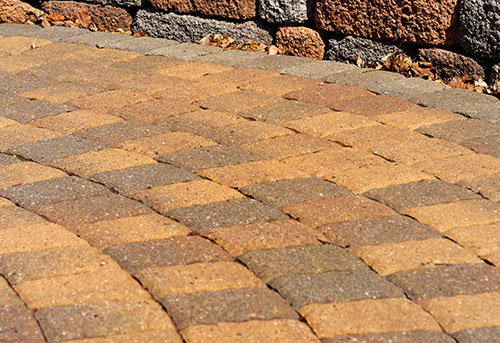
Thinking about the right paver sealer finish for your Jacksonville home? The choice between a wet look and a natural look affects color, glare, texture, and upkeep. If you want results that last through sun, storms, and salt air, start with expert paver sealing services from PaverGuard. This guide breaks down how each finish behaves in Florida weather so you can pick with confidence and schedule service at 904-802-4779.
Wet Look vs Natural Look Paver Sealer in Jacksonville, FL: Quick Primer
Wet look sealers deepen color and add sheen, similar to how pavers look after a light rain. Natural look sealers aim to protect without changing the appearance much, often leaving a matte or low-sheen finish.
- Wet look: color “pops,” richer contrast, some level of gloss depending on product.
- Natural look: preserves original tone and texture, minimal reflection.
If you are researching the wet look vs natural look paver sealer Jacksonville, FL decision, consider how much sun your surface gets, whether it is near saltwater, and who uses it daily.
How Florida Weather Affects Your Paver Sealer Finish
Jacksonville’s climate brings intense UV, frequent summer downpours, and coastal salt spray. UV can fade color, while heat and humidity stress the finish. Afternoon storms push water into joints and may cause moisture to linger under the surface. Choose products that handle high UV and allow moisture to escape so the finish stays clear and even through long, hot seasons.
Wet Look Sealer: Pros, Cons, and Best Uses
Wet look is popular on driveways in neighborhoods like Mandarin and Bartram Park because color looks bold from the curb. Many homeowners also like it on front walkways where a little shine helps details stand out.
- Best for: driveways with decorative patterns, shaded patios that need color lift, colorful concrete pavers.
- Think twice on: bright pool decks where glare could be distracting or slippery when wet.
Always ask about slip resistance if you are considering a glossier product for areas that see water. Around pools in Jacksonville Beach and Neptune Beach, many families prefer lower sheen for comfort under bare feet.
Natural Look Sealer: Pros, Cons, and Best Uses
Natural look finishes protect without the shine. Travertine and lightly textured pavers in Riverside, Avondale, and San Marco often look best with a matte seal that keeps the stone’s character visible. The surface tends to show less glare in full sun and photographs with a soft, even tone.
Natural look sealers can be a smart pick for pool decks and wide patios where comfort and low reflection matter more than bold color. You still get protection from stains and easier cleanups after summer storms.
Driveways, Pool Decks, and Patios: Choosing by Surface
Driveways handle hot tires, oil drips, and full-sun exposure. A durable sealer that handles heat and UV is key. For many driveways in St. Johns and Nocatee, a wet look gives that crisp, refreshed appearance that stands out from the street. Pool decks see water, sunscreen, and salt systems. Natural look often wins here to limit glare and keep footing comfortable. Patios and walkways come down to style: shaded spaces may benefit from wet look color pop, while open courtyards often look cleaner with natural matte.
What Homeowners Around Jacksonville Are Seeing
Across town, we hear similar goals. In Jacksonville Beach, homeowners want rich driveway color that still cleans up fast after salt-air residue. In Ponte Vedra, low-glare pool decks are the priority. In older areas like Ortega and San Marco, many clients choose natural look on historic-feel pavers to keep the texture front and center. If you are curious how reseal timing plays in, this article on how often you should seal pavers explains what the local climate does to finishes over time.
Finish Performance: What To Expect Over Time
Both finishes shield against stains and help joint sand stay in place, especially when paired with proper resanding. Wet look may make routine rinsing feel faster because dirt sits on a smoother film. Natural look can hide dust and minor scuffs a bit better on light colors. Either way, results depend on surface prep, the right sealer type for your paver, and the skill of the installer.
Avoid These Common Finish Problems in Florida
White haze or “blush” happens when moisture gets trapped under a film-forming sealer. That risk goes up if pavers are damp when sealed or if heavy rain hits right after. Uneven sheen can come from poor prep or thin, patchy coverage. Test a small, low-visibility area first when you are unsure how a finish will look on your exact paver color and texture.
Prep matters. Cleaning removes oil, mildew, and mineral deposits so the sealer bonds evenly. Joint sanding stabilizes the system, which supports a uniform finish. If your surface needs that step, learn how paver sanding improves stability and appearance before you pick a finish.
Your Simple Decision Guide
Use this quick checklist to match finish to your space and lifestyle:
- Choose wet look if you want the boldest color on driveways and shaded patios, and you are comfortable with more shine.
- Choose natural look if you prefer a subtle, low-glare pool deck or have lighter pavers in full sun.
- For mixed areas, consider natural look near the pool and wet look out front for curb appeal.
- If you entertain at night, try wet look where landscape lighting will highlight texture and patterns.
Schedule around Jacksonville’s rain patterns so the finish cures properly and stays even. Spring and fall often bring steadier windows, but a clear stretch in winter can work well too.
Preparation and Application: Why Pros Matter
Getting the finish you want starts with surface evaluation, proper cleaning, and the right joint sand. Our team handles that sequence as part of complete paver maintenance. We match the product to your paver type and expected traffic, then apply it evenly so color and sheen look consistent side to side.
If you love a subtle look around the pool but want a vibrant driveway, we can plan both finishes on the same property with care taken at transitions. Keep safety in mind near water by selecting a product profile designed for traction under wet feet.
Real-World Examples Around Town
In Julington Creek, a south-facing driveway picked a wet look to boost color where sun had washed it out. In Atlantic Beach, a family with a salt pool went natural look to keep glare down and surfaces cooler to the touch. A Riverside bungalow kept its aged brick charm with a matte finish, while a newer patio in eTown used wet look to highlight a herringbone pattern after dusk lighting was installed. Different goals, different finishes, all protected from Florida’s elements.
Maintenance Expectations After Sealing
Both finishes simplify upkeep. Routine rinsing and occasional light washing remove dirt and pollen faster than on unsealed surfaces. Over time, exposure and traffic will wear the finish. When you notice water no longer beads, color looks muted, or sand starts to loosen, it is time to plan a reseal. You can review timing cues here and then line up professional paver sealing so the surface never falls behind.
Ready To Compare Finishes On Your Pavers?
Whether you lean wet look or natural look, getting it right in Jacksonville’s climate comes down to prep, product match, and precise application. Talk with PaverGuard at 904-802-4779 and we will help you see samples, discuss glare and traction, and plan the ideal window for your project. For a deeper overview of the process and protection, explore our paver sealing services and let’s protect your curb appeal for years to come.