
How Proper Joint Sanding Improves Paver Stability and Reduces Weeds
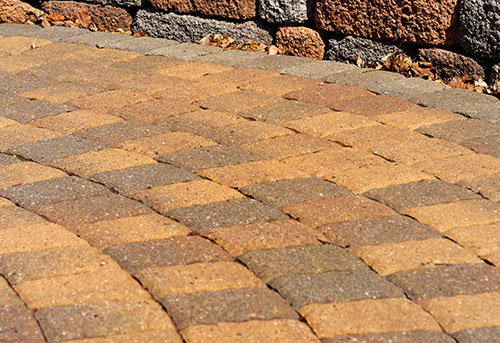
In Jacksonville, paver patios, driveways, and pool decks see heat, afternoon storms, and sandy soils that shift over time. That’s why homeowners searching for paver sanding in Jacksonville want more than a quick sweep. They need a service that locks the system together, limits weeds, and keeps the surface looking great season after season.
When the right joint sand is installed correctly, the whole surface performs better. If you’re evaluating your options, this guide explains how proper joint sanding strengthens stability and cuts down weed growth, and why a professional paver sanding service is the smartest long-term move.
Why Joint Sand Matters In Jacksonville’s Climate
Paver systems are designed to flex, not crack. The joints act like tiny shock absorbers, helping your surface manage traffic, sprinkler cycles, and heavy summer rain. In North Florida, wind-driven downpours and daily temperature swings can wash out or loosen weak joint material. That’s when edges lift, joints open, and weeds take hold.
Proper sanding fills these joints to the right depth so each paver supports its neighbor. The result is less wobble, better load transfer, and fewer pathways for water to erode your base.
How Proper Sanding Locks Pavers In Place
Think of joint sand as the zipper on a jacket. When it’s evenly filled and tightened, the whole surface acts as one. When it’s missing or low, individual pieces move on their own. Correct sanding creates friction between the sides of each paver, so they “lock” and resist shifting from foot traffic, carts, or vehicles.
- Firmer edges that don’t creep outward
- Smoother, quieter walking surface
- Less risk of trip-lip at borders and drains
Never let joints run more than a quarter-inch low for long. Gaps invite movement and weed seeds.
The Role Of Polymers: What Polymeric Sand Does
Polymeric sand is engineered for paver joints. It includes fine aggregates plus binding agents that react with moisture. Once activated, the sand firms up inside the joints. That firmness lowers washout, resists ant tunneling, and helps block airborne weed seeds from finding soil.
In coastal areas and neighborhoods like Riverside, Mandarin, and the Beaches, polymeric sand also stands up to frequent rinse cycles from irrigation and salt spray, so your joints stay intact longer between maintenance visits.
How Joint Sand Helps Reduce Weeds
Weeds need three things: light, moisture, and a place to root. Proper sanding limits all three by closing gaps where debris collects and seeds settle. Tighter joints reduce the light that reaches the space below and shed water more efficiently, so there’s less damp organic matter for weeds to use.
It’s important to set the right expectation: joint sanding won’t eliminate every stray sprout that blows in from a nearby bed. What it does is make the surface far less friendly to weeds, so you see fewer of them, and they’re easier to remove.
Drainage, Erosion, and Long-Term Stability
Jacksonville’s short, intense storms test every hardscape. When joints are underfilled or uneven, water slips between pavers and scours the bedding layer, which creates low spots. Properly filled joints help keep runoff on top of the surface where it can flow to drains or outfalls as designed.
If you notice pooling after a storm, don’t ignore it—standing water speeds joint loss and can stain the surface.
Signs Your Pavers Need Re-Sanding
- Joints look hollowed out or sit more than a quarter-inch below the chamfer
- Edges feel loose, or rocks shift underfoot
- Sand washes onto the adjacent concrete after rain
- New weed growth appears in thin lines along joints
- Ant mounds or tunnels open between pavers
These symptoms are common after a tough storm season, near high-traffic pool decks, and along driveway tire paths.
What To Expect From A Professional Service
A qualified team starts with surface evaluation, checks the base condition at edges and drains, and selects a joint material suited to your paver type and location. Then they restore the joints to the correct depth, compact the surface to settle the sand, and activate polymeric binders under controlled conditions for a uniform finish. The goal isn’t just to make the surface look new. It’s to restore the structural performance of the system so it stays tight and resists wear between routine maintenance visits.
Short summer downpours in Jacksonville can arrive minutes after a sunny morning. Scheduling joint sanding on a low-wind, low-rain window helps ensure clean activation and limits windblown debris. Ask your provider how they plan around local forecasts to protect curing time.
Local Considerations Across Jacksonville Neighborhoods
Different parts of town face different stressors. Riverside and San Marco have heavy tree cover that drops organic debris into joints. The Southside and Julington Creek see regular irrigation and sandy soils that can migrate without firm joints. The Beaches fight salt spray and gusty winds that move fine sand. In each case, proper joint sanding helps keep grit out of the base and joints filled to the target depth.
Driveways near the St. Johns River or Intracoastal may also see higher humidity and occasional tidal spray. A professional crew accounts for these conditions when choosing joint sand type and scheduling activation timing.
Choosing The Right Partner For The Work
Paver maintenance is as much about process as materials. Look for a crew that documents the condition of your surface, explains how they protect adjacent landscaping, and provides maintenance guidance tailored to your property. Partnering with a trusted paver contractor means your surface is treated as a system, not a one-off task.
Avoid overfilling joints above the chamfer; high joints can stain pavers and trap moisture. A seasoned team knows the correct finish level for your specific paver profile so the surface sheds water and stays easy to clean.
Maintenance Cadence And Seasonal Timing
How often should joints be refreshed? That varies by traffic, shade, irrigation, and exposure to wind and rain. Many Jacksonville homeowners plan joint inspections yearly and re-sanding as needed, especially after a rough storm season. Pool decks and shaded patios with heavy leaf drop may need touch-ups more often to keep joints full and clean.
Scheduling before the peak summer storm pattern helps joints cure well and hold up through the wettest months.
Better Looks, Safer Steps, and Lower Upkeep
Full, even joints make paver colors pop and edges look crisp. They also cut down on gritty tracking into the house, which protects interior floors. The biggest win is safety: fewer trip edges at borders, cleaner transitions around drains, and tighter stones underfoot. You’ll spend less weekend time chasing weeds and more time enjoying your space.
Where Joint Sanding Fits In Your Overall Maintenance Plan
Joint sanding is a foundational step that supports other maintenance. Sealing, for example, looks and performs better over well-filled joints because the surface sheds water and dirt more effectively. On the flip side, skipping joint sanding and sealing over hollowed joints can lock in problems rather than prevent them.
If your surface hasn’t been evaluated in a while, start with a professional inspection so you understand the order of operations for your pavers. Bringing joints back to spec often resets the whole system.
Get It Done Right The First Time
Homeowners across Jacksonville want surfaces that hold up to family life and Florida weather. The lasting benefits come from dialing in the details: the right sand, the right depth, and careful activation under the right conditions. That’s what you get with a skilled team focused on long-term performance, not shortcuts. If your joints look low, weeds are creeping in, or edges feel loose, it’s time to act. A quick assessment can save you from larger repairs down the road and restore the clean, stable look you expect.
Ready for tighter joints and fewer weeds? Schedule professional paver sanding with PaverGuard today or call 904-802-4779 for quick scheduling.